
Understanding XVIF: Unlocking the Power of XML Validation and Virtual Networking Systems

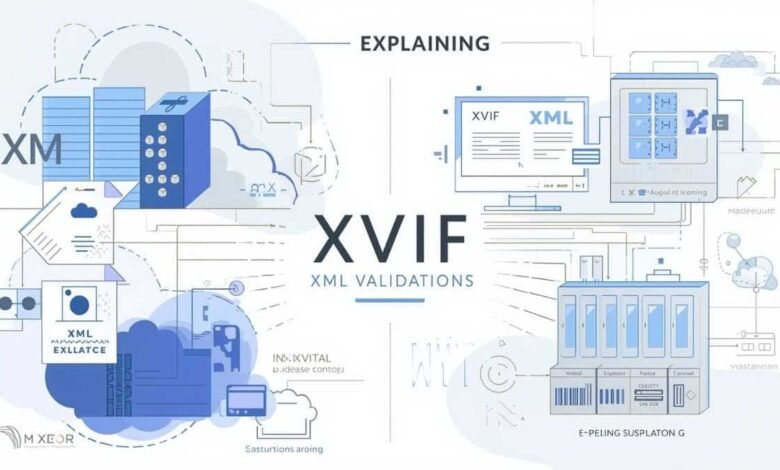
The term XVIF may seem cryptic at first, but it represents a significant innovation in the fields of XML validation and virtual networking. Whether you’re a developer, IT specialist, or just a curious tech enthusiast, understanding XVIF can give you a deeper insight into how modern systems and technologies work together seamlessly. This article dives into the multiple meanings of XVIF, its applications, and how it contributes to improving efficiency in complex technological systems.
What is XVIF? A Detailed Explanation
At its core, XVIF refers to two major technologies:
- XML Validation Interoperability Framework (XVIF) – A system designed to unify XML validation across different platforms and tools.
- Virtual Network Interface Driver (XVIF) – A driver used in Xen virtualization, specifically for NetBSD, that facilitates network communication between virtual machines (VMs).
Though both of these applications are vastly different in nature, they share a common goal: to simplify complex systems and make them more interoperable.
The Dual Role of XVIF
1. XML Validation Interoperability Framework (XVIF)
The XML Validation Interoperability Framework is all about ensuring that data in XML format adheres to a specific set of rules, called schemas. In essence, XVIF solves a major problem that developers face: ensuring that XML data is validated properly across different systems and tools, regardless of the platform being used.
2. Virtual Network Interface Driver in Xen Virtualization
The Xen hypervisor is an open-source virtualization technology that allows multiple virtual machines (VMs) to run on a single physical machine. XVIF, in this context, is a virtual network interface driver that connects these virtual machines, allowing them to communicate with each other and the external world via a network interface.
The Importance of XVIF in Today’s Tech World
In both the world of XML data and virtualization, efficient validation and networking are critical for performance, security, and scalability. XVIF enhances both of these technologies, contributing to smoother operations and better integration across platforms and systems.
Deep Dive into XML Validation and XVIF
What is XML?
XML (eXtensible Markup Language) is a markup language used to encode data in a machine-readable format. It is widely used for sharing data across different systems, applications, and platforms. However, for XML data to be useful, it must follow specific rules, known as a schema, that define how the data should be structured and formatted.
Challenges in XML Validation
Validating XML data ensures that it follows the specified rules and does not contain errors. But the process of XML validation can be tricky when using different tools. Not all XML validation tools interpret the rules in the same way, leading to discrepancies and errors in validation results.
For example, an XML validator tool may allow certain data structures or tags, while another tool might flag the same structures as invalid. This lack of standardization can lead to inefficiencies and confusion, especially in complex systems where different teams or platforms are involved.
How XVIF Solves the Problem
This is where XVIF comes in. The XML Validation Interoperability Framework provides a unified system for validating XML across different platforms and tools. With XVIF, developers can be sure that XML data will be validated consistently, no matter which tool or platform they are using.
Think of XVIF as a universal translator for XML validation. Just as a translator helps people who speak different languages communicate with each other, XVIF ensures that different XML validation tools speak the same “language,” leading to consistent and reliable validation results.
Why is XVIF Important?
In today’s interconnected world, systems need to communicate with each other, and XML is one of the most common ways this communication happens. Whether it’s sharing financial transactions between banks or sending data between different cloud platforms, XML plays a crucial role in ensuring that systems exchange data correctly. With XVIF, organizations can reduce errors, improve data integrity, and ensure smooth data transfer across various systems.
XVIF and Virtualized Environments
Understanding Virtualization with Xen
Xen is a powerful open-source virtualization technology that enables the creation of virtual machines (VMs) on a single physical machine. Each VM runs its own operating system and behaves like a separate physical machine. This is useful for businesses or IT environments that need to run multiple systems or applications on a single server.
In a Xen virtualized environment, different virtual machines (VMs) can be isolated from one another while still being able to communicate over a network. This allows for resource efficiency, as multiple VMs can share the same physical hardware while maintaining their independence.
The Role of XVIF in Xen Virtualization
Within a Xen virtualized environment, the XVIF virtual network interface driver plays a crucial role in enabling communication between VMs. Each virtual machine needs a way to connect to the network, share data with other VMs, and communicate with external systems.
Without XVIF, virtual machines would not be able to communicate with each other effectively. The virtualized environment would become fragmented, with VMs unable to exchange data or work together as needed. XVIF serves as the glue that connects these VMs, enabling smooth communication and data transfer between them.
Real-World Example: How XVIF Helps in Virtual Networking
Consider a company that hosts multiple web applications on different virtual machines. Each application may need to share data with other applications, respond to external web traffic, or connect to external databases.
Without XVIF, the virtual machines could become isolated, and the applications might not be able to share information efficiently. However, with XVIF acting as the virtual network interface driver, the VMs are connected to each other and the outside world, making data transfer and communication possible.
This is crucial for maintaining high performance, scalability, and reliability in virtualized environments, where multiple systems work together as one.
Xen and Virtualization: The Future of Cloud Computing
With the rise of cloud computing, virtualization has become more important than ever. Xen and other virtualization platforms enable businesses to deploy cloud-based systems that can scale quickly and cost-effectively. In this context, XVIF plays an essential role in ensuring that virtual machines communicate seamlessly, whether within the cloud or across different physical locations.
Troubleshooting XVIF: Common Errors and Solutions
Xvif.pyo: Understanding the Error
In some instances, particularly when working with Red Hat or other Linux-based systems, you might encounter an error message like “Xvif.pyo”. This error generally occurs when the system is unable to find a necessary Python object file (.pyo). The .pyo files are compiled versions of Python code that help the system run operations efficiently.
How to Fix Xvif.pyo Errors
Here’s a quick guide to resolving Xvif.pyo errors:
- Check for Missing Packages: The error often occurs when a necessary package or dependency is missing. You can resolve this by reinstalling the relevant packages that contain the missing files.
- System Updates: Keeping your system updated can prevent compatibility issues and missing files that cause errors like Xvif.pyo.
- Reinstall the Software: If the error persists, reinstalling the software or module that generates the error can restore the necessary files.
- Look for Specific Fixes: Check forums, communities, or official documentation for fixes specific to the software you are using. Sometimes, others have encountered the same issue and can provide a solution.
Preventing Future Errors
To prevent future issues with XVIF, regular system maintenance is crucial. Regularly update your system, install missing dependencies, and monitor logs for potential issues before they become bigger problems.
The Future of XVIF: A Path to More Efficient Systems
Simplifying Complex Technologies
XVIF is a key player in simplifying complex technologies like XML validation and virtual networking. By providing standardization and interoperability, XVIF helps reduce the complexity associated with data validation and virtual networking.
A Vital Piece in the Tech Ecosystem
In both data exchange and virtualized environments, efficient validation and networking are foundational to the success of modern applications. XVIF ensures that these processes run smoothly, enabling businesses to innovate and scale quickly. It plays a vital role in enhancing the efficiency and reliability of systems, making it an indispensable tool in the tech ecosystem.
Empowering Businesses and Developers
For businesses and developers, XVIF represents a tool that makes their work easier and more efficient. Whether validating data or ensuring that virtual machines communicate seamlessly, XVIF empowers these professionals to focus on innovation rather than dealing with system inefficiencies.
Conclusion: The Power of XVIF in Shaping the Future of Technology
As technology continues to evolve, the need for more efficient, interconnected systems grows. XVIF is a powerful tool that facilitates this evolution by simplifying XML validation and improving virtual networking. By enabling smoother communication across systems and ensuring data integrity, XVIF helps create a more connected, reliable, and efficient future for technology.
Whether you’re a developer working with XML data, managing virtual machines in a Xen-based system, or troubleshooting errors, understanding XVIF is essential for staying ahead in today’s fast-paced digital world. Embracing XVIF ensures that your systems will continue to perform at their best, driving innovation and progress in the tech industry.
Disclaimer
The information provided in this article is for general informational purposes only. XVIF refers to specific technologies in XML validation and virtual networking, and its applications may vary depending on the platform or system. While every effort has been made to ensure the accuracy of the information, users are advised to consult official documentation or a professional for specific technical assistance. The author or publisher does not assume responsibility for any issues that may arise from following the suggestions or using the information provided.
Found this article helpful? Don’t forget to visit our more blogs.