

Introduction
As technology continues to evolve, the world is becoming more connected, and wireless communication has become a cornerstone of modern life. From smartphones and wearable devices to smart homes and industrial applications, wireless communication is an essential part of everyday operations.
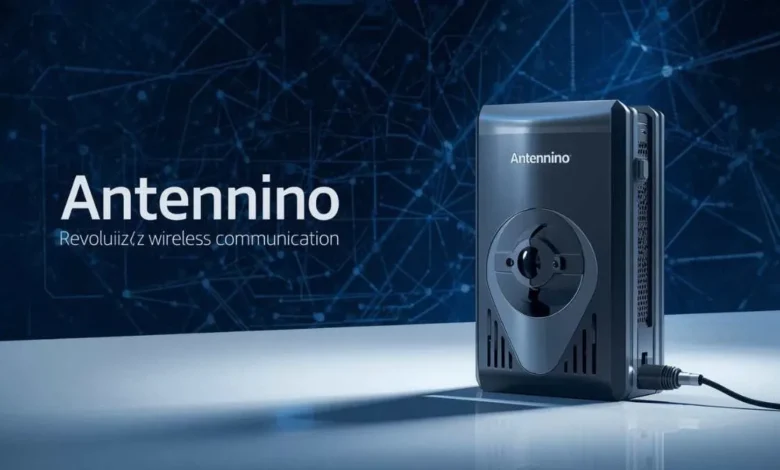
However, as devices become smaller and more portable, there has been a growing need for compact yet efficient antennas that can still deliver high performance. Enter antennino—a small yet powerful antenna solution designed to address the growing demand for space-efficient wireless communication systems.
Antennino is an innovative term derived from the Italian words for “small antenna.” This compact antenna has been specifically engineered to maintain optimal performance in a variety of modern wireless communication systems.
With applications spanning mobile phones, IoT devices, and even aerospace technology, antennino antennas are redefining how communication devices can be designed and implemented without compromising on performance or functionality.
This article delves deep into the concept of antennino, its applications, advantages, challenges, and how it is shaping the future of wireless communication. By the end of this article, you’ll understand why antennino is becoming an essential component in wireless communication technology.
What is Antennino?
Antennino is a term used to describe small, highly efficient antennas that are designed for use in a wide range of compact devices. These antennas are crucial for facilitating wireless communication in modern electronics where space constraints are a significant consideration. While larger antennas traditionally served the same purpose, the need for smaller, more integrated solutions has grown with the rise of portable technology.
The antennino is engineered to provide optimal signal reception and transmission in a small form factor, ensuring that modern devices like smartphones, wearables, drones, and IoT sensors can stay connected in a world that is increasingly mobile. Despite their small size, these antennas maintain strong performance across a range of communication protocols, including Wi-Fi, Bluetooth, GPS, NFC, and cellular networks.
Key Features of Antennino
- Compact Design: Designed to fit into small devices without compromising on communication efficiency.
- Multi-Band Operation: Capable of supporting multiple communication bands such as 2.4 GHz (Wi-Fi), 5 GHz, and even newer technologies like 5G.
- High Efficiency: Despite their small size, antennino antennas provide strong signal quality and performance.
- Low Power Consumption: Essential for battery-powered devices like wearables and IoT devices, antennino antennas help extend battery life.
How Does Antennino Work?
The core function of an antenna is to transmit and receive electromagnetic waves. Antennino antennas work in the same way, but their small size allows them to be embedded into compact devices, ensuring reliable wireless communication. These antennas capture radiofrequency (RF) signals from the surrounding environment and transmit data to other devices or networks, depending on the use case.
What sets antennino apart from traditional larger antennas is its ability to maintain high efficiency in a compact form. They are designed to perform optimally at specific frequency ranges, ensuring that devices can remain connected to Wi-Fi networks, cellular towers, GPS satellites, or other communication systems without interference or significant signal loss.
Optimization for Small Devices
Given their small size, antennino antennas must be optimized for specific applications. Engineers design them with particular consideration for the device’s form factor, intended use, and the required communication protocols. They are often integrated into the device’s circuit board, ensuring seamless communication without occupying extra space.
Bandwidth and Frequency Range
One of the remarkable features of antennino antennas is their ability to support multi-band operation. These antennas can operate across several frequency bands, allowing devices to communicate via multiple protocols like Wi-Fi (2.4 GHz and 5 GHz), Bluetooth, GPS, and 4G/5G cellular networks. This multi-band support ensures that devices with antennino antennas remain versatile, supporting a variety of functions without requiring separate antennas for each communication protocol.
Applications of Antennino
The versatility of antennino antennas makes them suitable for a wide range of industries and applications. From personal electronics to complex industrial systems, the small yet efficient design of antennino antennas has revolutionized the way wireless communication is implemented in various sectors.
1. Smartphones and Mobile Devices
Smartphones and mobile devices rely heavily on wireless communication for voice calls, internet access, GPS navigation, and app connectivity. Antennino antennas are integrated into the design of these devices, providing the connectivity needed for a wide range of functions. The compact size of antennino ensures that it doesn’t interfere with the device’s slim design while still delivering optimal performance for all wireless features.
- Wi-Fi and Bluetooth: Antennino antennas support both Wi-Fi and Bluetooth communication, ensuring that users can stay connected to networks and devices seamlessly.
- 5G Connectivity: As the world transitions to 5G, antennino antennas are built to handle higher frequencies, providing reliable high-speed data connectivity.
2. Wearable Devices
In the world of wearable technology, devices like smartwatches, fitness trackers, and health monitors require small, efficient antennas to connect to mobile phones, wireless networks, and GPS satellites. Antennino antennas are ideal for these devices due to their compact size and high performance, making it possible for wearables to function without added bulk.
- Bluetooth: Wearables frequently use Bluetooth technology to connect to smartphones and other devices, and antennino antennas ensure stable Bluetooth communication.
- GPS and Location Tracking: Antennino antennas also support GPS functionalities in wearables, allowing for accurate location tracking without increasing device size.
3. Internet of Things (IoT)
The Internet of Things (IoT) ecosystem is built on small, interconnected devices that communicate wirelessly. Antennino antennas are used in IoT devices such as smart home appliances, security cameras, and sensors. These small antennas enable devices to communicate with each other and with cloud platforms, making them an essential component of modern IoT networks.
- Low-Power Connectivity: Many IoT devices operate on low power, and antennino antennas are optimized for energy efficiency, extending the battery life of these devices.
- Long-Range Communication: Antennino antennas can also support long-range communication for IoT sensors and devices, ensuring that even remote devices can stay connected.
4. Drones and UAVs (Unmanned Aerial Vehicles)
Drones and UAVs are increasingly used in various industries, from agriculture to surveillance. These devices require reliable communication systems to send and receive data during flight. Antennino antennas are used in drones to maintain communication with ground control stations and GPS satellites, ensuring that the drone remains connected and can transmit data in real-time.
- GPS: Antennino antennas help drones stay connected to GPS satellites for navigation and positioning.
- Data Transmission: Drones can transmit data such as video feeds, sensor data, and telemetry using the wireless capabilities of antennino antennas.
5. Automotive Industry
The automotive industry is rapidly incorporating advanced communication technologies, including Vehicle-to-Everything (V2X) communication, autonomous driving systems, and real-time traffic information. Antennino antennas are used in vehicles to support these systems, enabling cars to communicate with each other and with traffic infrastructure for enhanced safety and efficiency.
- V2X Communication: Antennino antennas enable vehicles to exchange information with other vehicles and traffic infrastructure, improving road safety and traffic management.
- GPS and Connectivity: Vehicles rely on antennino antennas for GPS navigation and internet connectivity, ensuring drivers can access real-time maps and other services.
Advantages of Antennino Antennas
The primary advantages of antennino antennas stem from their compact design and high efficiency. Here are some of the key benefits:
1. Compact and Lightweight
Antennino antennas are significantly smaller than traditional antennas, allowing them to be integrated into devices without taking up additional space. This compactness is essential for portable devices where every square millimeter counts.
2. High Efficiency and Performance
Despite their small size, antennino antennas deliver excellent signal quality and performance. They are designed to handle multi-band communication efficiently, ensuring reliable connectivity across different wireless networks and protocols.
3. Energy Efficiency
For battery-powered devices like wearables, IoT devices, and drones, energy efficiency is critical. Antennino antennas are optimized to minimize power consumption, which helps extend the battery life of the devices they are integrated into.
4. Versatility and Multi-Band Operation
One of the standout features of antennino antennas is their ability to support multiple communication bands, such as Wi-Fi, Bluetooth, GPS, and cellular networks. This versatility allows manufacturers to use a single antenna for various functions, reducing complexity and cost.
Challenges of Antennino Antennas
While antennino antennas offer numerous advantages, there are also some challenges associated with their use:
1. Limited Range
Due to their small size, antennino antennas typically have a shorter range compared to larger antennas. This can limit their effectiveness in applications that require long-range communication, such as satellite communication.
2. Interference
Smaller antennas can be more susceptible to interference from nearby electronic components or other wireless signals. Ensuring optimal placement and minimizing interference is crucial to maintaining signal quality.
3. Integration Complexity
Despite their small size, integrating antennino antennas into devices can require advanced engineering to ensure that the antenna functions properly within the device’s design constraints.
Conclusion
Antennino antennas are revolutionizing the way wireless communication is integrated into modern devices. By providing a compact yet highly efficient solution for wireless connectivity, antennino antennas are enabling the creation of smaller, more powerful devices that can communicate seamlessly. From smartphones and wearables to IoT devices, drones, and automobiles, the applications of antennino antennas are vast and growing.
As technology continues to evolve, the need for compact, multi-functional antennas like antennino will only increase. Despite some challenges, their advantages in terms of size, performance, and energy efficiency make them an indispensable part of today’s wireless communication landscape.
As industries continue to embrace smaller and more powerful devices, antennino antennas will undoubtedly play a pivotal role in shaping the future of communication.