








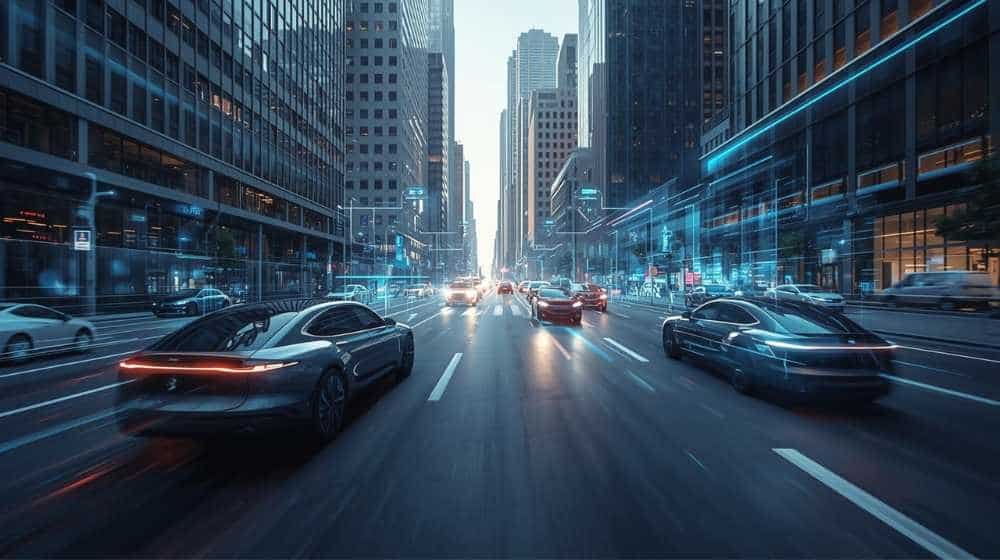
The automotive industry is experiencing a paradigm shift, driven by groundbreaking advancements in technology and intelligent systems. Among these innovations, Autoamina stands at the forefront of reshaping how we think about vehicles, mobility, and the future of driving. Autoamina represents a fusion of cutting-edge technologies like artificial intelligence (AI), machine learning, IoT (Internet of Things), and autonomous driving. These systems work seamlessly together to create smarter, safer, and more efficient vehicles.
In this article, we will take an in-depth look at Autoamina, exploring its technology, applications, potential benefits, and challenges. As we journey into the future of transportation, understanding Autoamina’s role in revolutionizing the way we drive is essential for grasping the evolving landscape of the automotive industry.
What is Autoamina? An Overview of the Smart Vehicle Revolution
Autoamina refers to an advanced suite of smart vehicle technologies that enhances vehicle functionality, efficiency, and safety. The term “Autoamina” encapsulates a broad range of technologies designed to create a more connected, intelligent, and responsive driving experience. These systems leverage artificial intelligence, machine learning, autonomous capabilities, and IoT integration to make vehicles more adaptable, safer, and efficient.
The Rise of Smart Vehicles and Autoamina’s Role
The automotive industry has been transitioning from traditional vehicles to smart, connected cars for several years. This evolution began with the introduction of driver-assist systems and advanced navigation tools. Over time, this led to the development of autonomous driving technologies, and now, we’re witnessing the emergence of Autoamina.
Autoamina is not just a buzzword — it represents the next stage in the evolution of vehicles. It brings together all aspects of a smart vehicle ecosystem, from AI-powered navigation systems to the eventual goal of self-driving cars. By integrating these technologies, Autoamina helps optimize performance, safety, and sustainability, contributing to a more efficient and eco-friendly future for transportation.
Core Components of Autoamina Technology
At its core, Autoamina integrates several advanced technologies that collectively work to transform vehicles. These technologies include:
- Artificial Intelligence (AI) and Machine Learning (ML): AI allows vehicles to process vast amounts of data, enabling them to make decisions and adapt to changing road conditions. Machine learning enables the system to improve over time based on historical data and experience.
- IoT Connectivity: Autoamina vehicles are part of an interconnected system where data is exchanged in real time with infrastructure, traffic systems, and other vehicles. This enhances safety, navigation, and communication.
- Sensors and LIDAR: To ensure vehicles are aware of their environment, Autoamina integrates sensors like cameras, LIDAR, radar, and ultrasonic sensors. These sensors work together to detect obstacles, pedestrians, and other vehicles, allowing the vehicle to respond appropriately.
- Autonomous Driving Systems: The ultimate goal of Autoamina is to enable fully autonomous driving. Vehicles equipped with Autoamina technology can navigate traffic, detect hazards, and make driving decisions autonomously.
How Does Autoamina Work? The Technology Behind the Innovation
Understanding how Autoamina operates involves breaking down its technology stack and the integration of smart systems that enable the vehicle to think and react in real-time. Here’s a deeper look at how Autoamina works:
Data Collection: The Role of Sensors
Autoamina vehicles are equipped with various sensors that collect critical data from the environment. These sensors include:
- Cameras: Provide visual data that allows the vehicle to recognize objects, track lane markings, and identify road signs.
- LIDAR: Uses light pulses to create 3D maps of the surroundings. It helps the vehicle see objects in great detail and detect distances accurately.
- Radar: Measures the speed and proximity of surrounding objects, especially useful in adverse weather conditions like fog or rain.
- Ultrasonic Sensors: Used for low-speed maneuvering, including parking assist and obstacle detection in tight spaces.
These sensors feed data into the vehicle’s central processing system, where it’s analyzed and used to make decisions in real-time.
Real-Time Decision Making: AI and Machine Learning
Once the data is collected, it must be processed to make real-time decisions. This is where artificial intelligence (AI) comes into play. AI algorithms interpret sensor data, evaluate the current driving conditions, and make predictions based on past data. Machine learning plays a crucial role by enabling the system to improve its decision-making over time.
For example, if a pedestrian steps onto the road, the vehicle’s AI system will quickly analyze the risk of collision and, if necessary, apply the brakes. Over time, the vehicle learns from previous interactions and improves its ability to make quicker, more accurate decisions.
Vehicle-to-Vehicle and Vehicle-to-Infrastructure Communication
A standout feature of Autoamina technology is its connectivity. Through IoT integration, Autoamina-equipped vehicles communicate with each other (V2V) and with infrastructure (V2I), such as smart traffic lights and road sensors. This communication allows vehicles to share important data, such as traffic conditions, road hazards, and even the status of nearby vehicles, enabling the entire transportation ecosystem to work more efficiently.
For instance, if a nearby car detects an accident up ahead, it can send real-time information to other vehicles, allowing them to adjust their routes to avoid traffic. This collaborative communication leads to a more efficient driving experience for everyone on the road.
Autonomous Driving Capabilities
The pinnacle of Autoamina technology is its autonomous driving capabilities. While fully autonomous vehicles are still being developed, Autoamina technology already enables significant automation. Many modern vehicles feature semi-autonomous systems, such as adaptive cruise control, lane-keeping assist, and automatic emergency braking. These systems leverage AI and sensor data to drive the vehicle in certain conditions without human intervention.
As Autoamina technology continues to evolve, fully autonomous vehicles that require little to no input from the driver will become a reality. This will fundamentally change how we interact with our vehicles, leading to safer and more efficient transportation systems.
The Benefits of Autoamina: Transforming Transportation
The benefits of Autoamina technology extend beyond just improving the driving experience — it has the potential to revolutionize the entire automotive industry. Let’s explore the key advantages it offers:
Enhanced Safety Features
The integration of advanced driver-assist systems and autonomous capabilities significantly improves safety. Features such as automatic emergency braking, lane-keeping assist, and collision detection help prevent accidents by alerting drivers and even taking control when necessary. Additionally, autonomous vehicles powered by Autoamina can potentially eliminate human errors, such as distracted driving, leading to fewer accidents overall.
Improved Traffic Flow and Reduced Congestion
Autoamina vehicles communicate with each other and with traffic infrastructure, optimizing routes and improving traffic flow. By using real-time data, the system can avoid congested areas, rerouting vehicles to less congested routes. This not only saves time but also reduces traffic jams, which are often a source of pollution and wasted fuel.
Fuel Efficiency and Environmental Benefits
Autoamina-equipped vehicles can optimize fuel consumption by adjusting driving patterns based on real-time traffic conditions. For example, the AI can adjust the vehicle’s speed to ensure that it uses fuel efficiently, reducing emissions and contributing to a cleaner environment. Additionally, Autoamina technology is closely integrated with electric vehicles (EVs), enhancing their efficiency and sustainability.
Convenience and Comfort
The convenience of Autoamina technology cannot be overstated. With features like automatic parking, self-driving capabilities, and adaptive cruise control, Autoamina vehicles make driving easier, less stressful, and more enjoyable. Autonomous vehicles, in particular, will allow passengers to focus on other activities, such as reading, working, or relaxing, while the vehicle handles the driving.
Challenges and Limitations of Autoamina
Despite the numerous advantages, there are still challenges that need to be addressed before Autoamina can fully realize its potential. Some of the key obstacles include:
Technological Limitations
While the technology behind Autoamina is rapidly advancing, fully autonomous vehicles are still limited by factors such as poor weather conditions, complex urban environments, and the need for highly accurate data. Overcoming these challenges will require continuous innovation and testing.
Regulatory Hurdles
The integration of autonomous vehicles into public roads raises questions about regulation and safety standards. Governments will need to create laws and frameworks that ensure the safe operation of these vehicles, particularly in terms of liability in case of accidents.
Public Acceptance
While many people are excited about the potential of autonomous driving, others remain skeptical. Concerns about safety, job displacement (particularly for professional drivers), and privacy must be addressed before Autoamina technology can be widely adopted.
Conclusion: The Future of Autoamina
Autoamina represents the future of transportation — a future where vehicles are smarter, safer, and more efficient. By integrating artificial intelligence, machine learning, IoT, and autonomous driving systems, Autoamina is transforming how we think about cars, mobility, and urban infrastructure. The technology not only improves the driving experience but also promises significant benefits in terms of safety, efficiency, and environmental sustainability.
However, the path to widespread adoption of Autoamina is not without challenges. Technological, regulatory, and societal hurdles must be overcome to fully realize its potential. Yet, as the technology continues to evolve, there is no doubt that Autoamina will play a pivotal role in shaping the future of transportation.
In the coming years, we can expect to see smarter cities, autonomous vehicles, and a more connected transportation ecosystem powered by Autoamina technology. The revolution is already underway, and Autoamina is leading the charge towards a safer, more efficient, and sustainable future.