

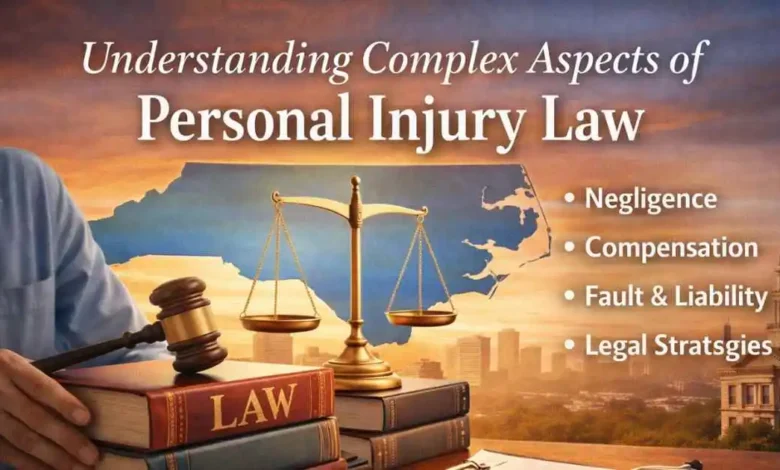
North Carolina’s mix of busy highways, expanding suburbs, and active business districts means accidents can happen in many different settings. From traffic collisions in Charlotte to workplace injuries in growing industrial areas, legal questions often follow unexpected harm. While personal injury law is designed to provide compensation and accountability, the rules behind it can feel layered and difficult to understand. In North Carolina, specific doctrines and procedural requirements shape how claims are filed, defended, and ultimately resolved, making local legal knowledge especially important.
Because of these complexities, personal injury lawyers in North Carolina focus on guiding clients through strict standards like contributory negligence and firm filing deadlines. Even a small percentage of fault can completely prevent recovery under state law. Proving duty, breach, causation, and measurable damages requires careful evidence and a clear legal strategy. Understanding these intricate elements helps injured individuals protect their rights and approach the legal process with greater confidence.
Defining Personal Injury Law
Personal injury law covers cases where someone suffers physical or emotional harm due to another’s actions. These cases may involve accidents, medical mistakes, or unsafe products. Laws in this area set out how liability is determined and how compensation is calculated. Each jurisdiction may have slight differences in rules, making local knowledge vital. Understanding these distinctions often plays a significant role in a case’s outcome.
Types of Personal Injury Cases
Most people consider personal injury to be just car accidents. Actually, personal injury cases also include workplace incidents and situations where a knee pops due to a shoe. This includes cases where products are defective and medical errors occur. There are certain rules when it comes to proving fault and getting compensation for each type of case. Victims need to know which category their case falls under to successfully file a claim.
Proving Negligence
At the core of any personal injury case is proving that someone else acted carelessly and that their carelessness caused harm. Usually, you have to prove four things in court. The starting point is that the defendant must have breached a duty of care. Second, you must have breached this duty with some type of action or inaction. To be liable for the breach, there must have been a direct harm caused by the breach.
Comparative and Contributory Fault
A complicated fault arises when multiple parties can be at fault. Certain areas practice comparative fault, which allows for reduced compensation as a result of how much responsibility each party has. Some jurisdictions even apply contributory fault, meaning that the victim gets no recovery if they are even slightly at fault. Understanding the differences between these types of cases enables victims to better assess the likelihood of obtaining compensation.
Damages and Compensation
Victims can collect compensation for multiple losses due to personal injury law. This can involve medical costs, lost income, and pain or mental trauma. There are also times when additional damages may be awarded to punish extremely reckless behavior. Calculation of these amounts may prove complex, particularly if any loss is to occur in the future. Having proper documentation and expert opinions is often the key to fair compensation.
Statute of Limitations
Each case has a statute of limitations on when a lawsuit can be brought. The statute of limitations depends on the case type and where it will be filed. In most cases, if an individual fails to meet this deadline, they forfeit their right to seek compensation in court. Victims must understand these time limits to safeguard their rights and avoid losing their opportunity for justice.
Dealing With Insurance Companies
Personal injury claims are mostly centered around insurance. The insurers might try to settle early for an amount less than the value of the claim. Negotiations with insurers take time and require experience to determine the value of a claim. Good record keeping can help facilitate what should be a fair settlement. When it is not possible to agree, you may need to take legal action.
Legal Representation
People unfamiliar with legal practices tend to be overwhelmed by personal injury law. This is why so many people choose to utilize legal professionals who specialize in this area. A lawyer can assist in collecting evidence, doing paperwork, or negotiating behind the scenes with insurers or other parties. Their professionalism can help you a lot to get a good result. Finding a helping hand at times like these is a salvation.
Conclusion
Numerous specifics exist within personal injury law. Awareness of them can help victims make smart decisions after an accident or injury occurs. Successful claims rely on fault determination, compensation, and time limits for action. With proper information, people can protect themselves from injuries and seek the justice to which they are entitled.
Disclaimer: The content in this article is for informational purposes only and should not be considered legal advice. For specific legal concerns regarding personal injury, please consult with a licensed attorney. Laws vary by jurisdiction, and each case is unique.