

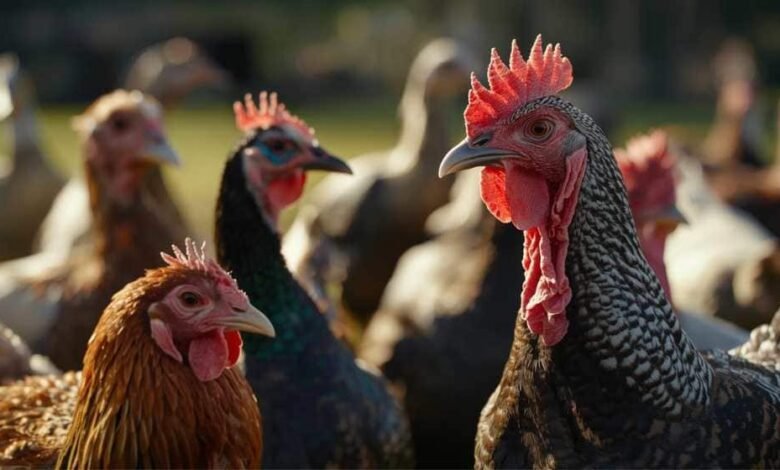
Pollaste refers to domesticated poultry birds raised primarily for their meat and egg production. This category of birds includes chickens, turkeys, ducks, geese, and quail. These birds are an essential part of the global agricultural system, providing a reliable source of affordable protein for billions of people worldwide.
While chicken is the most widely consumed of all poultry species, the term “pollaste” covers the entire category of domesticated poultry, each with unique characteristics that contribute to global food security.
In this article, we will explore the world of pollaste, its significance in the agricultural sector, the different types of poultry, and the farming methods that make it one of the most sustainable forms of animal protein production. We’ll also examine the economic and environmental impacts of pollaste farming and its growing role in feeding the world’s population.
What is Pollaste?
Pollaste refers to poultry birds that have been domesticated and selectively bred for the purpose of producing meat and eggs. These birds are an integral part of the food supply in many cultures, providing essential sources of protein in the form of meat and eggs.
Over the years, pollaste farming has evolved to meet the growing demands of a global population, and today it is one of the most efficient and widely practiced forms of animal husbandry.
The Global Importance of Pollaste
The global poultry industry is enormous. Pollaste production provides millions of tons of meat and eggs each year, contributing to food security worldwide. According to the Food and Agriculture Organization (FAO), poultry farming accounts for a significant portion of global meat production, with chicken being the most consumed meat globally.
Poultry farming also plays a critical role in addressing global hunger, especially in developing countries where it provides an affordable source of protein. Moreover, as the demand for meat continues to rise, pollaste farming is proving to be a more resource-efficient alternative to larger livestock farming, helping to reduce environmental impact while meeting global nutritional needs.
The History of Pollaste Farming
The domestication of pollaste birds dates back to ancient times. While chickens were first domesticated in Southeast Asia around 10,000 years ago, other birds, such as ducks and geese, were domesticated even earlier in various parts of the world. These birds were initially kept for their eggs and meat, with their role in farming and food production becoming increasingly important as human societies evolved.
Early Domestication and Selective Breeding
The first poultry birds were likely domesticated for their ability to provide consistent sources of food. The domestication of chickens and ducks allowed early human societies to establish more stable food sources. Over the centuries, poultry farming grew to become a vital part of rural economies, with people selectively breeding birds for specific traits such as higher egg production, faster growth, and disease resistance.
Selective breeding, which continues today, has led to the development of many different poultry breeds, each adapted to specific climates, farming practices, and production systems. The history of pollaste farming has been one of continuous innovation, with technological advances and improvements in genetics making poultry farming more efficient and sustainable.
Types of Pollaste Birds and Their Uses
While chickens are the most commonly raised poultry birds, pollaste farming includes several other species that serve unique purposes in food production. Each type of poultry has distinct characteristics that make it valuable for different markets and cuisines.
1. Chicken: The World’s Most Popular Pollaste Bird
Chickens are by far the most commonly raised pollaste birds worldwide. They are primarily raised for two main purposes:
- Meat production: Broiler chickens are raised for their meat and are typically processed at a younger age (around 6 to 7 weeks).
- Egg production: Layer chickens are bred specifically for egg production. They can lay hundreds of eggs throughout their lifespan, making them a primary source of eggs in most countries.
Chicken farming has evolved over the years with innovations in breeding, feed, and farming systems. Today, chickens are raised in highly efficient systems that maximize meat and egg production while minimizing costs.
Chicken Meat: Chicken is one of the most versatile meats globally. It is lean, affordable, and used in countless recipes, from grilled chicken to fried chicken, soups, and stews.
Chicken Eggs: Eggs are a rich source of protein, vitamins, and minerals. They are an affordable source of nutrition for families worldwide and are used in a wide range of culinary dishes.
2. Turkey: Larger and Special Occasions
Turkeys are larger than chickens and are raised primarily for their meat. Turkey meat is lean and high in protein, with a slightly different texture and flavor than chicken. Turkeys are commonly consumed during special occasions like Thanksgiving in the United States and Christmas in other parts of the world.
Turkey farming has grown significantly in recent years, with North America being the largest producer. Turkey eggs are also produced, but they are less commonly consumed than chicken eggs.
Turkey Meat: Often served as the main dish for festive meals, turkey is known for its rich flavor and versatility. It is a popular choice for roasting, grilling, and even making ground turkey for burgers or meatballs.
3. Duck: A Gourmet Delicacy
Ducks are raised for both their meat and eggs, though they are more commonly raised for meat in some regions. Duck meat is rich, tender, and has a distinct flavor, making it a popular choice in high-end restaurants and gourmet cooking.
Duck Eggs: Duck eggs are larger than chicken eggs and have a richer taste. They are highly prized in baking and certain cuisines for their richer flavor and higher yolk-to-white ratio.
Duck farming is a growing industry, with ducks being raised in both small and large-scale operations. Ducks are also more resistant to diseases than chickens, making them a valuable alternative for farmers in areas prone to poultry diseases.
4. Goose: A Luxury Meat and Egg Source
Geese are primarily raised for their meat, eggs, and liver, the latter being used to make the famous French delicacy foie gras. While goose meat is not as commonly consumed as chicken or turkey, it is highly prized for its rich flavor and is often reserved for special occasions.
Goose Eggs: Goose eggs are large, with a thick shell and rich flavor. They are considered a luxury item and are used in gourmet recipes.
Geese are also known for their ability to forage for food, making them more sustainable to raise in certain environments. They are often kept on farms where they help control weeds and grasses.
5. Quail: Small Yet Nutrient-Dense
Quail are small poultry birds that are primarily raised for their eggs and meat. Quail eggs are smaller than chicken eggs but are known for their rich flavor and nutritional value. They are commonly used in gourmet cooking, often served as appetizers or garnishes.
Quail Meat: Quail meat is tender, flavorful, and considered a delicacy. It is often roasted or grilled and is a favorite in high-end restaurants.
Despite their small size, quail require minimal space to raise, making them an excellent option for small farms and urban agricultural settings.
The Economic and Social Impact of Pollaste Farming
Pollaste farming is a cornerstone of the global agricultural economy. The poultry industry provides millions of jobs worldwide, from farm workers to those involved in processing, distribution, and retail. In many countries, especially in rural areas, poultry farming is a vital source of income for small-scale farmers.
Job Creation and Rural Development
Poultry farming supports local economies, particularly in rural areas, by providing employment opportunities in various sectors, including farming, feed production, transportation, and food processing. The industry also contributes to the growth of related businesses, such as hatcheries, packaging, and equipment manufacturing.
Contribution to Food Security
Pollaste farming is crucial in addressing global food security. As demand for protein increases, particularly in developing countries, poultry products provide an affordable and sustainable source of nutrition. Poultry farming also plays a role in reducing hunger and improving nutrition by offering a reliable, year-round source of meat and eggs.
Sustainability and Efficiency in Pollaste Farming
One of the reasons pollaste farming has become so widespread is its efficiency. Compared to other forms of livestock production, poultry farming is resource-efficient, requiring less feed, water, and land to produce the same amount of protein.
Resource Efficiency
Poultry birds, particularly chickens, convert feed into meat and eggs more efficiently than larger livestock like cows and pigs. This means that poultry farming requires fewer resources, making it a more sustainable option, especially in areas where land and water are scarce.
Environmental Impact
Poultry farming has a lower environmental footprint compared to other forms of animal agriculture. Innovations in feed production, waste management, and disease control have helped reduce the environmental impact of poultry farming, making it a more sustainable choice for meeting the growing global demand for protein.
The Future of Pollaste: Innovation and Growth
The future of pollaste farming looks promising, with continued innovations in genetics, breeding, and farming technologies. As global populations grow and the demand for food increases, poultry farming will play an even greater role in ensuring food security.
Technological Advances
Advancements in poultry breeding, nutrition, and disease control will make poultry farming even more efficient. Technologies like genetic selection for disease resistance and improved feed efficiency will help reduce production costs and minimize environmental impact.
Sustainable Practices
The future of pollaste farming will also focus on sustainability. New practices, such as improved waste management systems and more efficient water use, will help ensure that poultry farming remains a viable and eco-friendly food production method.
Conclusion: Pollaste’s Role in Feeding the World
Pollaste plays a vital role in global food production, providing a reliable source of protein through both meat and eggs. With the growing demand for poultry products, pollaste farming is becoming an even more essential part of agriculture, contributing to food security, rural economies, and sustainable food systems worldwide.
As the poultry industry continues to evolve, innovations in farming practices and sustainable technologies will ensure that pollaste farming remains a cornerstone of the global food system, helping to feed billions of people for generations to come.