

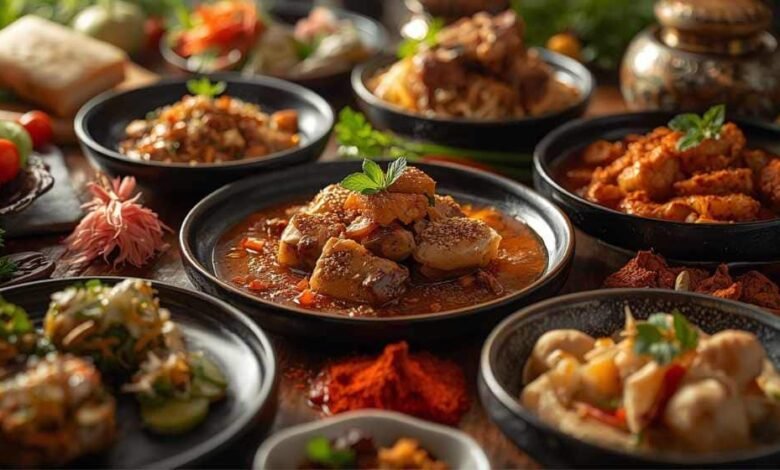
Soutaipasu is a lesser-known culinary tradition that has captured the attention of food lovers and cultural enthusiasts worldwide. Although it may not yet be as famous as sushi or ramen, this unique cuisine offers a fresh perspective on Japanese food. With rich history, unique flavors, and an evolving presence in the global food scene, Soutaipasu is truly a culinary treasure waiting to be explored.
In this article, we will embark on a culinary journey to uncover everything you need to know about Soutaipasu. From its origins to the popular dishes you must try, we’ll dive deep into the essence of this amazing cuisine.
What is Soutaipasu and Where Did It Originate?
Soutaipasu is a traditional Japanese culinary style that has roots deeply embedded in regional cooking practices. The name itself is derived from local dialects, and its influence can be traced back centuries. While it shares some similarities with more well-known Japanese cuisines, It stands out due to its focus on seasonal ingredients and regional flavors.
The cuisine originated in specific areas of Japan, where local farms and fishermen contributed to its unique identity. Over time, Soutaipasu became a symbol of the country’s agricultural and cultural diversity, offering a fascinating mix of savory broths, fresh vegetables, and locally sourced proteins.
The Regional Essence of Soutaipasu Across Japan
Soutaipasu’s rich flavor profile changes from region to region. Different parts of Japan emphasize different cooking techniques and ingredients, creating distinct variations of this cuisine. Two primary regions that have greatly influenced Soutaipasu are Kansai and Kanto.
Kansai and Kanto Flavor Contrasts
In Kansai, which includes cities like Kyoto and Osaka, Their tends to have a lighter, more delicate taste. Broths are often clear and less salty, highlighting the natural flavors of the ingredients. Kansai-style Soutaipasu is known for using ingredients like kabocha (Japanese pumpkin) and yuba (tofu skin), giving the dishes a soft and subtle taste.
In contrast, the Kanto region, including Tokyo, favors bolder, richer flavors. Here, you might find thicker broths and heartier textures, often with the addition of miso or soy sauce to create a deep umami flavor.
Local Ingredients and Seasonal Influences
The ingredients used in It are heavily influenced by the changing seasons. From spring greens to winter root vegetables, Soutaipasu relies on fresh, seasonal produce. This connection to the seasons makes each meal a reflection of the time of year, offering a unique experience each time you taste it.
Fresh fish, local poultry, and sometimes wild game are commonly used, with local markets supplying the best products. This focus on fresh, seasonal ingredients is one of the things that makes It stand out from other types of Japanese cuisine.
Cultural Significance and Historical Background
Soutaipasu is more than just food; it is a part of the cultural fabric of Japan. Its roots go back to the everyday life of the people, where meals were made from locally grown ingredients and prepared using traditional methods.
Throughout history, It has been an essential part of festivals, family gatherings, and seasonal celebrations. In the past, these meals were simple and served to nourish and comfort families, often prepared by elders with a focus on preserving cultural traditions.
The Role of Soutaipasu in Japanese Culinary Tourism
Soutaipasu is gaining popularity among tourists looking to explore authentic Japanese food beyond the usual sushi and tempura. Japan’s culinary tourism is on the rise, and It plays a significant role in this. By exploring the regions known for Soutaipasu, visitors can experience local food markets, street food, and home-cooked meals that showcase the diversity and depth of this cuisine.
Street Food and Local Markets
For those traveling in Japan, It can often be found at bustling local markets or food stalls. These markets offer a fantastic opportunity to taste the dishes as they’ve been prepared for generations. Whether it’s a steaming bowl of Soutaipasu hot pot or a grilled fish marinated in a miso glaze, street vendors serve up the essence of This in every dish.
Soutaipasu Festivals and Celebrations
Japan is known for its food festivals, and many are centered around Soutaipasu. These festivals not only highlight the flavors of this cuisine but also celebrate the cultural significance behind each dish. At these events, you can taste a variety of Soutaipasu specialties, witness cooking demonstrations, and learn about the importance of seasonal ingredients in traditional Japanese meals.
Modern Adaptations and Global Influence
While It has deep roots in traditional Japanese cooking, it is also evolving. Like many regional cuisines, it is being adapted to modern tastes and international influences. Some chefs have started experimenting with fusion dishes by combining It flavors with global ingredients.
For example, Soutaipasu ramen has emerged as a popular fusion dish. By blending traditional Soutaipasu broths with the noodles and flavors of ramen, chefs are creating new and exciting ways to experience this cuisine.
Additionally, vegetarian and vegan versions of This have become increasingly popular, with tofu, vegetables, and plant-based broths taking center stage. This modern adaptation ensures that It remains relevant to contemporary tastes while maintaining its traditional roots.
The Future of Soutaipasu in Japan’s Culinary Landscape
As global interest in Japanese cuisine continues to grow, It is gaining recognition on the international food scene. Chefs worldwide are beginning to experiment with its flavors and ingredients, introducing this unique culinary style to a broader audience.
Within Japan, Soutaipasu will likely continue to evolve while retaining its cultural and historical significance. With more people looking for authentic, regional experiences, It role in Japanese cuisine is set to expand, offering food enthusiasts a deeper understanding of Japan’s rich culinary heritage.
Final Thoughts
Soutaipasu offers a unique and delicious way to explore the flavors of Japan. Whether you’re a seasoned foodie or a newcomer to Japanese cuisine, this culinary journey will introduce you to new tastes, textures, and experiences. From its rich history and regional variations to its modern adaptations, It is a cuisine that deserves to be experienced.
Whether you’re traveling in Japan or trying out a recipe at home, It brings a taste of tradition and innovation that will leave you craving more. So, the next time you’re looking for a new culinary adventure, make sure to dive into the world of Soutaipasu.