









You’re five minutes into a car journey and it starts, your dog clambers onto a lap, plants paws on the window, or tries to climb into the front. Then you brake at a roundabout and everyone jolts, including the dog. It feels like a small thing until it doesn’t.
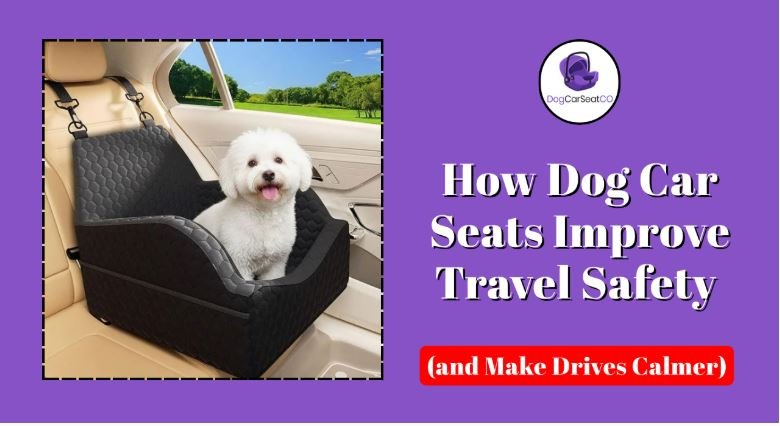
A dog car seat used with a proper harness helps in two ways. It keeps your dog in one place so you can drive without constant distraction, and it reduces the chance of injury if you stop sharply or crash.
Key Takeaways:
Unrestrained dogs are a real driving risk
A dog moving freely in a car can distract the driver, interfere with pedals or steering, and increase the chance of an accident, even on short journeys.
Dog car seats improve safety by limiting movement
When used with a proper harness, a dog car seat keeps your dog in one defined place, reducing distractions and sudden movements while driving.
UK law requires dogs to be suitably restrained
Highway Code Rule 57 makes it clear that dogs must be restrained so they cannot distract the driver or cause injury during sudden braking.
Reduced distraction leads to calmer, safer drives
Keeping your dog secure in the back seat helps you focus fully on the road and creates a calmer travel experience for both driver and dog.
Dog car seats help reduce injury in sudden stops
In harsh braking or collisions, a secured dog is less likely to be thrown forward or collide with passengers, doors, or seats.
The right set-up depends on dog size and car type
Small dogs often suit booster-style car seats, while larger dogs may need harnesses or crates that better manage space and impact forces.
Not all products are crash tested, so claims matter
There is no universal UK crash standard for dog car seats, so buyers should read safety claims carefully and understand what testing actually covers.
Seat covers alone do not provide safety
Hammocks and covers protect interiors but do not restrain dogs, so they must be used alongside a proper harness or restraint system.
Correct installation is just as important as the product
Loose fitting, long tethers, or clipping to collars instead of harnesses can seriously reduce safety and increase injury risk.
Gradual training helps dogs accept car seats calmly
Introducing the seat slowly, using treats and familiar items, helps dogs feel secure and reduces stress, motion sickness, and resistance over time.
Why dog car seats make car travel safer
A moving dog in a moving car is a bit like a loose suitcase on a bus. Most of the time it’s fine, right up until the moment it isn’t. Dog car seats are designed to reduce that risk by giving your dog a defined space, and a secure point to attach a harness tether.
It’s worth saying clearly: there are no official UK-wide figures that capture every dog injury in every type of crash. Some numbers you see online come from surveys, insurers, or charities, so they vary. Even without perfect statistics, the safety logic is simple, restrain the dog so they can’t distract you, and so they’re less likely to be thrown around in a sudden stop.
Rule 57 spells out the goal, not a single product type. A seat belt harness, pet carrier, dog cage, or dog guard can all count, as long as it does the job. A good dog car seat is often the easiest option for small dogs because it combines comfort with structure and restraint points.
Reducing distraction for the driver
Distraction isn’t only about barking. It’s the small movements that steal attention at the worst time.
An unrestrained dog can:
- climb into the front footwell and interfere with pedals
- block your view by popping up between the front seats
- bump your arm as you steer or change gear
- make you twist around to check what they’re doing
- trigger sudden swerving when they jump at another dog or cyclist
A properly secured dog car seat keeps your dog anchored to one spot, usually in the back seat, so you’re not negotiating with a furry passenger while also negotiating traffic. That makes drives calmer for you, and calmer for your dog too.
If you want a plain-English overview of why restraint matters for UK drivers, Pets’ guide to dog car seats in the UK is a helpful starting point.
limiting impact injuries in harsh braking and crashes
In a sudden stop, everything in the car keeps moving forward. That includes your dog. Even a small dog can hit the back of a front seat hard, or be thrown into a door, or into a passenger. That’s where a dog car seat can help, when it’s paired with the right harness and fitted correctly.
A well-designed seat:
- keeps the dog sitting or lying in a defined “bucket”
- reduces sideways sliding on bends
- shortens how far they can travel forward
- gives the harness tether a stable point, so it can do its job
This isn’t about scare stories. It’s about physics. If your dog is attached to the car via a harness and short tether, they’re less likely to become a projectile, and less likely to injure themselves or someone else.
Choosing the right dog car seat set-up for your dog and your car
The best set-up is the one you’ll use every time, and the one your dog can’t wriggle out of. Start with real-life details: your dog’s size, your car layout, and how you actually travel.
Think about:
- Dog size and weight: Booster-style seats usually suit small dogs. Bigger dogs often need a crash-tested harness or a crate, simply because of space and force.
- Car type: A sloped rear bench, deep bucket seats, or a short seat belt can affect fit. Measure before you buy.
- Trip length: For short trips, comfort still matters, but cleaning and quick fitting matter too. For long trips, look for better padding, stability, and washable covers.
- Behaviour and health: Excited dogs may need higher sides and a shorter tether. Anxious dogs often settle with a den-like seat plus a familiar blanket. Dogs that get car sick benefit from stable positioning and good airflow.
Also, avoid bold claims. Not every product is independently crash tested, and there’s no single UK-wide “dog car seat crash standard” applied to all seats on sale. If a brand does cite independent testing, read what was tested, how it was installed, and what size dog it was designed for.
For perspective on what independent testing looks like in practice, The principle is the same: controlled tests, repeatable methods, and clear pass or fail criteria.
Car seat, harness, or crate, what’s safest for your situation
There isn’t one answer for every dog.
A quick, practical rule:
- Small dogs: A booster-style dog car seat paired with a harness often works well. It keeps them upright and secure, and stops them roaming.
- Medium to large dogs: A well-fitted harness clipped into the seat belt, or a crash-tested crate secured in the car, is often more realistic than a seat.
- Very anxious or high-energy dogs: A crate can feel more contained and reduce pacing.
Seat covers and hammock-style protectors are great for mud and hair, but they don’t restrain a dog on their own. Use them alongside a proper restraint.
What to look for when buying (fit, anchors, materials, cleaning)
Before you buy, check the details you’d check for any safety item: limits, attachment points, and build quality.
A solid dog car seat usually has:
- A genuine weight limit: Match the seat to your dog’s current weight, not last year’s.
- Two ways to stabilise: Many seats use a seat belt plus headrest straps. Some newer designs use ISOFIX-style connectors where the car allows it.
- A short tether: Less slack means less forward travel in a stop.
- Sturdy sides and base: The seat shouldn’t collapse or tip when your dog shifts.
- Washable covers: You’ll use it more if it’s easy to clean.
- Strong buckles and stitching: If it feels flimsy in your hands, it won’t feel better in a hurry stop.
One clear safety warning: never clip the tether to a collar. Collars can put dangerous force on the neck. Clip to a harness designed for car travel.
How to use a dog car seat properly (common mistakes to avoid)
Even the best seat can fail if it’s fitted loosely, attached in the wrong place, or used with the wrong restraint. A safe routine takes less than a minute once it’s familiar.
Safe set-up in the back seat, and why the front seat is risky
In most cars, the safest place for a dog car seat is the rear seat. It keeps your dog out of the driver’s space and away from the dash.
The front passenger seat is risky because of airbags. An airbag deploys fast and with force, and that’s bad news for a dog sitting close to it.
Before every trip:
- Pull the seat belt tight so the dog seat doesn’t wobble.
- Check headrest straps are snug (if your model uses them).
- Keep the tether short enough that your dog can sit and lie down, but can’t climb out.
If you ever must use the front seat (for example, no back seats available), follow your vehicle guidance and prioritise airbag safety.
Getting your dog used to the seat without stress
Some dogs take to a seat straight away. Others act like you’ve placed them on the moon. The trick is to make the seat boring and rewarding.
A simple plan:
- Start parked, let your dog sniff the seat.
- Feed a few treats in the seat, no driving yet.
- Clip the harness and tether for a few seconds, then unclip.
- Do a two-minute drive, then build up slowly.
- Add a familiar blanket, and plan breaks on longer trips.
Watch for motion sickness signs such as drooling, lip licking, yawning, whining, or vomiting. If it keeps happening, speak to your vet before your next long journey.
Conclusion
Dog car seats improve travel safety in a straightforward way. They reduce driver distraction, and they help protect dogs (and passengers) during sudden braking. They also support what the Highway Code expects, your dog should be suitably restrained so they can’t interfere with driving or get hurt in a quick stop.
Before your next trip, check your current set-up. If your dog can roam, jump forward, or climb onto laps, it’s time to change it. Choose the right restraint for your dog’s size, fit it tightly, and practise calm loading so every journey starts safer.
FAQ’s:
1. Are dog car seats really necessary for short journeys?
Yes. Most distractions and sudden stops happen on short trips. A dog car seat helps keep your dog secure and prevents sudden movements that can distract the driver, even on quick drives.
2. Are dog car seats legal in the UK?
Dog car seats are legal, but UK law requires dogs to be suitably restrained under Highway Code Rule 57. A dog car seat paired with a proper harness is one way to meet this requirement.
3. Can a dog car seat replace a harness?
No. A dog car seat should always be used with a harness, not on its own. The harness and tether are what actually restrain your dog during sudden braking.
4. Is it safe to use a dog car seat in the front seat?
Generally, no. The back seat is safer because front airbags can seriously injure a dog during deployment. If the front seat must be used, airbag safety guidance should be followed carefully.
5. What size dog is a car seat suitable for?
Dog car seats are usually best for small dogs. Medium and large dogs are often safer with a crash-tested harness or a secured crate due to their size and weight.
6. Do dog car seats protect dogs in a crash?
They can reduce injury risk when properly installed and used with a harness. While not all seats are crash tested, limiting movement and shortening forward travel helps improve safety.
7. Are seat covers or hammocks enough to keep dogs safe?
No. Seat covers and hammocks protect your car interior but do not restrain your dog. They should only be used alongside a proper restraint system.
8. Should the tether be attached to a collar or harness?
Always attach the tether to a car-safe harness, never a collar. Collars can put dangerous pressure on a dog’s neck during sudden stops.
9. How do I know if a dog car seat fits my car properly?
Check your dog’s weight, your seat shape, belt length, and headrest design. The seat should sit firmly without tipping or sliding once secured.
10. How can I help my dog feel comfortable in a car seat?
Introduce the seat gradually. Let your dog explore it while parked, use treats, start with short drives, and add familiar blankets to help them settle calmly.
Disclaimer:
The information provided in this article is for general informational purposes only. While we strive to ensure accuracy, the safety recommendations for dog car seats may vary depending on individual circumstances.
Always consult a professional or refer to the manufacturer’s guidelines for specific product use and installation. We do not guarantee the effectiveness or safety of any particular dog car seat and encourage users to perform due diligence before purchasing.
Found interesting? Visit our more blogs.