

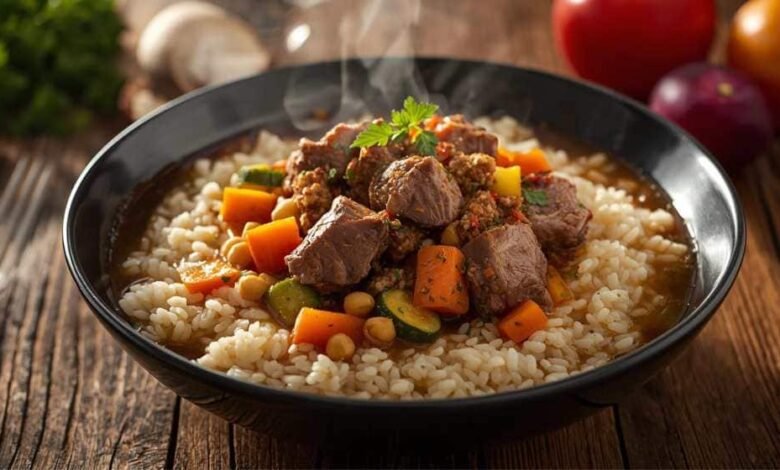
Kouskousi, often referred to as couscous, is one of North Africa’s most cherished dishes. Known for its versatility, rich flavor, and cultural significance, Kouskousi has gained global popularity over the years. This article delves into the origins, preparation methods, health benefits, and variations of Kouskousi, making it a must-try dish for food enthusiasts and home cooks alike.
What is Kouskousi?
Kouskousi is a traditional dish originating from North Africa, primarily made from steamed semolina wheat granules. While the name “couscous” is commonly used worldwide, “Kouskousi” specifically refers to the dish’s deeper cultural connection to countries like Morocco, Algeria, and Tunisia. The process of steaming semolina wheat allows the granules to expand, creating a light, fluffy texture that easily absorbs the flavors of accompanying stews, meats, or vegetables.
The Fascinating History of Kouskousi
The origins of Kouskousi date back centuries to the Berber people of North Africa. Its spread throughout the region was heavily influenced by trade and migration, particularly through the trans-Saharan trade routes. Over time, couscous became a staple in Berber and Arab cuisines, transcending its regional borders.
The dish has since evolved into various forms across different cultures, each adding its own unique twist. From the bustling streets of Morocco to the fine dining restaurants of France, This become a beloved dish worldwide.
How Kouskousi is Made: Traditional vs. Modern Methods
Traditional Preparation
Making Kouskousi the traditional way is an art. The granules of couscous are first moistened and then steamed in a special pot called a couscoussier. This double-chambered steamer allows the couscous to absorb steam from the boiling broth or water beneath, making it light and fluffy. The process may take up to an hour, but the result is well worth it.
READ THIS ALSO : Delicious world of soutaipasu
Modern, Quick Couscous
Today, many people use instant couscous, which only requires boiling water to prepare. While this method sacrifices some of the authenticity, it provides a convenient and faster alternative. The couscous can be seasoned or combined with fresh vegetables, making it a quick and delicious meal option.
Nutritional Benefits of Kouskousi: A Healthful Choice
It is not only a flavorful dish but also provides essential nutrients, making it a healthy option for many. Here are some of the benefits of including Kouskousi in your diet:
- High in Fiber: Couscous is rich in fiber, particularly when made from whole wheat, aiding digestion and promoting heart health.
- Rich in Carbohydrates: As a carbohydrate-rich food, it serves as an excellent energy source, making it ideal for active individuals.
- Low in Fat: Couscous is naturally low in fat, making it a good choice for those seeking a lighter meal.
- Protein Content: Though not as high as animal-based proteins, couscous still provides a decent amount of plant-based protein, especially when paired with legumes.
Kouskousi Variations: A Dish That Adapts to Your Taste
Kouskousi’s versatility allows for numerous variations depending on regional preferences and dietary restrictions.
Meat and Couscous: A Classic Moroccan Combination
In Morocco, couscous is often served with lamb, chicken, or beef, along with vegetables such as carrots, zucchini, and chickpeas. The meat is typically slow-cooked in a flavorful broth with spices like cumin, cinnamon, and saffron, which are absorbed by the couscous, enhancing its taste.
Vegetarian Couscous: A Delight for Plant-Based Eaters
For vegetarians, couscous is perfect when paired with seasonal vegetables like squash, eggplant, or bell peppers. Chickpeas, raisins, and nuts can be added to enhance texture and flavor. This plant-based version is not only delicious but also packed with vitamins, minerals, and antioxidants.
Sweet Couscous: A Unique Dessert Option
In some regions, couscous is served as a dessert by adding sweet ingredients such as dried fruits, honey, cinnamon, and almonds. This sweet variation offers a unique way to enjoy couscous, especially in festive occasions and special gatherings.
Kouskousi Across the World: A Global Sensation
Though its roots lie in North Africa, Kouskousi has become a beloved dish across the globe. France, for instance, has adopted couscous as one of its national dishes, thanks to the historical connection between North Africa and France during colonial times. Today, couscous is widely enjoyed across Europe and the Middle East, often served in restaurants or made at home for family meals.
In the United States and other Western countries, couscous has grown in popularity as a quick, healthy, and versatile side dish. It is often included in Mediterranean and Middle Eastern-inspired meals, reflecting the diverse culinary influence of couscous.
Why You Should Try Kouskousi
If you’ve never tried Kouskousi, there’s no better time than now. The dish’s unique ability to pair with a variety of proteins, vegetables, and spices makes it a versatile addition to any meal. Whether you’re making a traditional North African meal, preparing a quick lunch, or seeking a new side dish for your dinner table, Kouskousi offers a wonderful, healthy, and satisfying choice.
The Convenience of Kouskousi in Your Kitchen
One of the best things about Kouskousi is how quickly and easily it can be prepared. Instant couscous takes just a few minutes to cook, and you can pair it with anything from grilled chicken to roasted vegetables. For those who love meal prepping, couscous also stores well in the fridge, making it perfect for quick meals during the week.
Frequently Asked Questions (FAQs)
1. Is Kouskousi gluten-free?
Kouskousi is made from semolina wheat, so it is not gluten-free. However, gluten-free alternatives are available, such as quinoa or rice-based couscous.
2. How can I add more flavor to my couscous?
To enhance the flavor of your couscous, cook it with broth instead of water, and add spices such as cumin, coriander, and saffron. You can also mix in fresh herbs, lemon zest, and roasted vegetables.
3. Can I freeze Kouskousi?
Yes, couscous can be frozen. Allow it to cool completely before transferring it to an airtight container or freezer bag.
4. How do I make couscous fluffy?
The key to fluffy couscous is proper steaming. Whether using traditional or instant couscous, ensure it’s steamed or moistened correctly to avoid clumping.
5. Is Kouskousi a good option for meal prepping?
Yes, couscous is excellent for meal prep. It stores well in the fridge and can be used as a base for many different meals throughout the week.